Flexible Menu Planning – Planning for Special Events

Flexible Menu Planning – Planning for Special Events
When organising a special event – whether it’s a corporate conference, a wedding anniversary, a charity gala or a community celebration – food plays a central role. A well-planned menu can set the tone, bring people together and create a memorable experience. But how do you design a menu that fits the occasion, the budget and the diverse needs of your guests? Here’s how flexibility and planning can work hand in hand when preparing menus for special events.
Understand the Purpose and Setting of the Event
Before thinking about dishes and service styles, it’s essential to understand the nature of the event. Is it a formal dinner with table service, a standing reception, or a relaxed networking event? The purpose and atmosphere will guide your menu choices.
- Formal events often call for a structured, multi-course menu where presentation and timing are key.
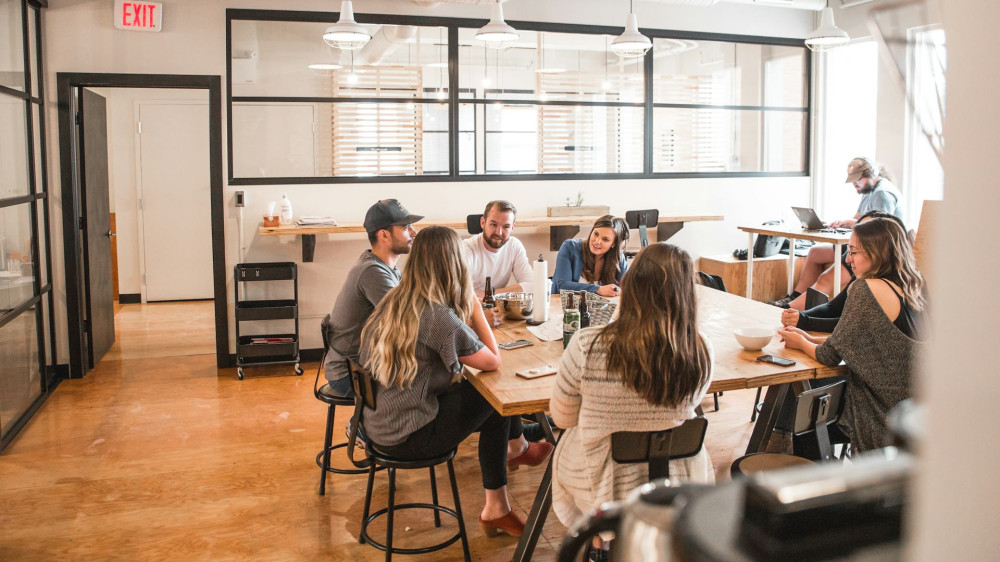
- Casual gatherings may benefit from buffets, sharing platters or street food-style stations that encourage mingling and choice.
- Professional events such as conferences or training days work best with light, energising meals that keep participants focused rather than full.
Once the framework is clear, it becomes easier to select dishes that suit both the logistics and the mood of the occasion.
Læs også:


Flexibility as a Guiding Principle
Flexibility isn’t just about making last-minute changes – it’s about designing a menu that can adapt from the start. Guests may have different dietary preferences, allergies, religious requirements or simply personal tastes.
A flexible menu can be built around components that combine easily. For example, a buffet offering meat, fish and plant-based options allows guests to choose freely. The same applies to desserts and drinks – variety ensures satisfaction.
Consider the serving style too: small plates or themed food stations (for example, British classics, Mediterranean or vegan) can add both flexibility and a sense of experience.
Planning in Partnership with the Kitchen
Close collaboration with the kitchen or catering team is vital to ensure flexibility doesn’t compromise quality. Share details early – guest numbers, schedule, venue layout and any special requests.
Agree on how changes will be handled, such as last-minute guest additions or new dietary requirements. An experienced caterer can often suggest creative adjustments that maintain the overall balance of the menu.
If the event has a specific theme or requires precise timing between courses, it can be helpful to test certain dishes in advance to ensure everything runs smoothly on the day.
Sustainability and Seasonality as Planning Tools
Flexibility also means thinking sustainably. Using seasonal British produce not only enhances flavour and freshness but also reduces costs and environmental impact. It allows you to adapt the menu according to what’s available locally.
For instance, a spring reception could highlight asparagus, new potatoes and fresh herbs, while an autumn dinner might feature root vegetables, mushrooms and regional cheeses. When the menu reflects the season, it’s easier to adjust without sacrificing quality.
Putting the Guest Experience First
No matter how carefully the menu is planned, the guest experience is what truly matters. A flexible menu should feel intentional, not like a compromise. Think about flow, presentation and communication.
- Label dishes clearly so guests with dietary needs feel confident.
- Offer variety in colour, texture and temperature to keep the meal visually and sensorially engaging.
- Add small touches of surprise – a signature cocktail, a local delicacy or a dessert with a story behind it.
When the food complements the atmosphere and tells part of the event’s story, it becomes an integral part of the experience.
Review and Learn for Next Time
After the event, take time to evaluate. Which dishes were most popular? Was anything over- or under-supplied? Feedback from guests and staff can help refine future menus and make planning even more precise.
Flexibility is a skill that develops over time – the better you know your guests and partners, the easier it becomes to create menus that hit the mark every time.
A Menu That Adapts – and Impresses
Planning a flexible menu for special events requires both structure and creativity. It’s about finding the balance between predictability and freedom, so that organisers and guests alike enjoy an experience that works in practice and delights in taste. With thoughtful planning, close collaboration and attention to detail, flexibility can become your greatest strength – and the key to a truly successful event.
Læs også: