From Analysis to Action – How to Turn Data into Measurable Results

From Analysis to Action – How to Turn Data into Measurable Results
Data has become one of the most valuable assets in modern organisations. Yet even the most sophisticated analysis is meaningless if it doesn’t lead to action. For many UK businesses, the challenge isn’t collecting data – it’s turning it into decisions that deliver measurable outcomes. Here’s a guide to help you move from analysis to action and ensure your data truly makes a difference.
Start with a Clear Purpose
Before diving into dashboards and reports, ask yourself one crucial question: What do I want to achieve with this data? A clear purpose is the foundation of any successful data initiative. It might be to increase sales, improve customer satisfaction, or streamline operations. When your goal is well defined, it becomes easier to select the right data and measure whether your efforts are working.
A useful approach is to frame your goal as a specific question, such as:
- How can we reduce customer waiting times by 20%?
- Which marketing channels deliver the highest return on investment?
- Which products have the greatest potential for upselling?
When you know what you’re looking for, your analysis becomes more focused – and your results more actionable.
Make Data Understandable Across the Organisation
Data shouldn’t be confined to analysts. To drive action, it must be presented in a way that everyone in the organisation can relate to. That means translating numbers into stories.
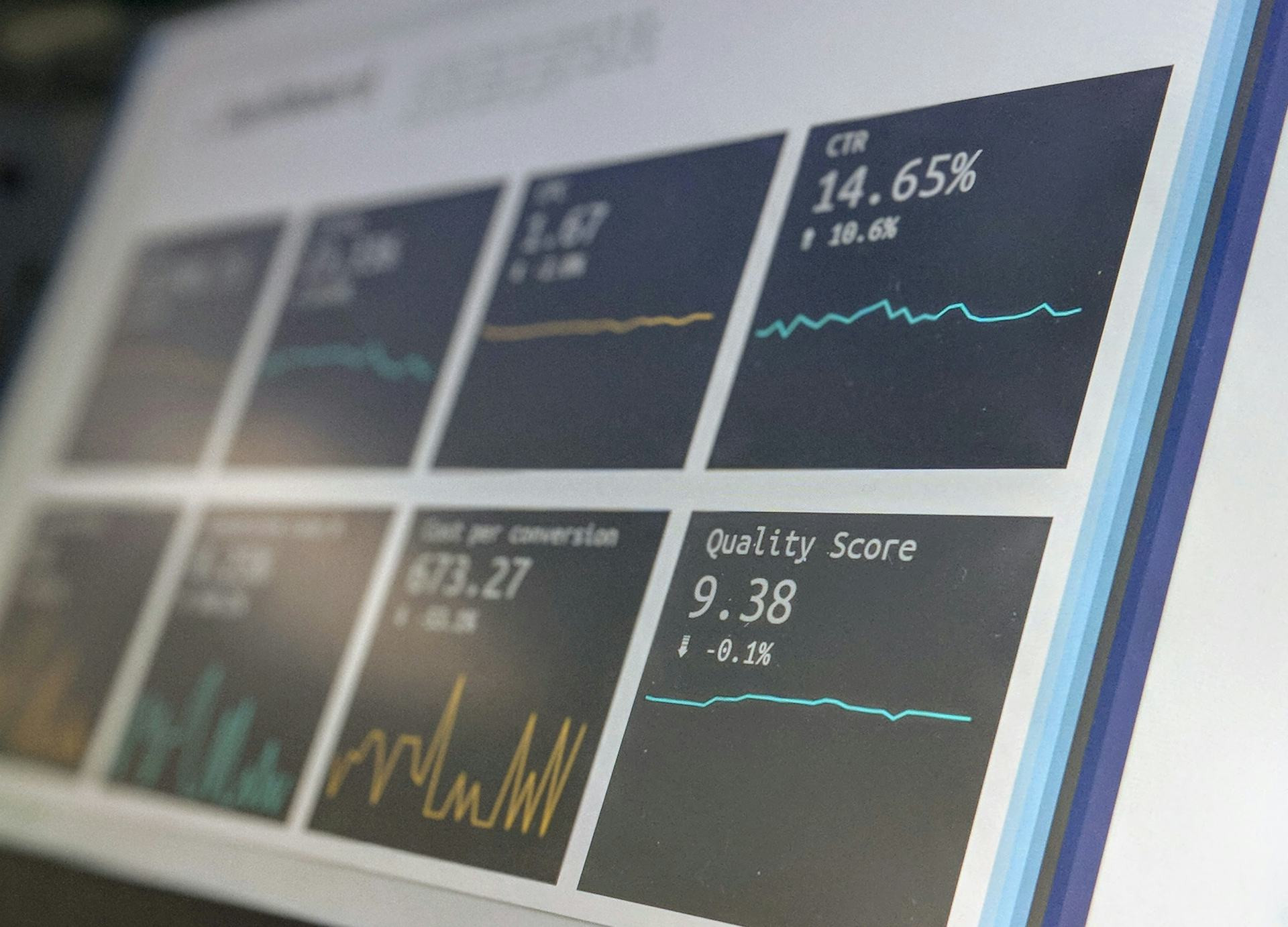
Visualisations, dashboards, and concise summaries can make complex insights accessible to decision-makers, sales teams, and marketers alike. Use charts, examples, and comparisons that explain why something is happening – not just what is happening.
Think in terms of “data storytelling”: tell a story with a beginning, middle, and end. What do the data show? What do they mean? And what should we do next?
Prioritise Insights That Create Value
Not all data are equally important. Many organisations drown in reports but lack focus on what truly drives change. Always ask: Which insights can lead to action – and what impact will they have?
Create a shortlist of your most important findings and assess them using two criteria:
- Business impact – how much difference could this make?
- Ease of implementation – how quickly and easily can we act on it?
Combining these two factors gives you a clear picture of where to start. This helps you achieve quick wins and build momentum across the organisation.
Build a Culture Where Data Drives Decisions
Even the best analysis loses value if it isn’t used. Data-driven success is as much about culture as it is about technology. A data-driven culture means decisions are based on evidence, not intuition. It requires leadership to set the tone – showing that data is a tool for learning and improvement, not for control.
Make it easy for employees to use data in their daily work. Share results openly and celebrate successes that come from data-informed decisions. The more data becomes part of everyday thinking, the greater its impact will be.
From Insight to Action – and Back Again
Turning data into results is an ongoing process. Once you’ve acted on an insight, measure the effect and use the new data to refine your approach. This creates a continuous learning cycle: analysis → action → evaluation → new analysis.
For example, you might discover through data that a particular campaign is underperforming. You adjust the message, test again, and see conversion rates rise. That knowledge can then inform future campaigns – making data a driver of continuous improvement.
Measure What Matters
To demonstrate results, you need the right metrics. It’s tempting to track everything, but too many KPIs can create confusion. Focus instead on a few meaningful indicators that reflect your goals. If your aim is to boost customer loyalty, don’t just measure click-through rates – also look at repeat purchases, satisfaction scores, and referrals.
When you measure what truly matters, it becomes easier to show how your data efforts contribute to business success.
Læs også:


From Analysis to Action – A Shared Responsibility
Turning data into measurable results requires collaboration between analysts, leaders, and employees. Analysts provide the insights, but it’s the organisation as a whole that must act on them. When everyone understands how data can create value, it stops being a project and becomes a way of working.
The journey from analysis to action is ultimately about connecting knowledge with reality. Data points the way – but it’s people who take the steps.
Læs også: