Know the Types of Commercial Property: From Office Buildings to Industrial Units

Know the Types of Commercial Property: From Office Buildings to Industrial Units
When we talk about commercial property, the term covers a wide range of building types – from modern office towers in city centres to large industrial units on the outskirts of towns. Each type serves a different purpose and comes with its own opportunities and challenges. Whether you are a business owner, an investor, or simply curious about how the UK’s commercial landscape is organised, it’s useful to understand the main categories of commercial property.
Office Buildings – Flexible Spaces for Modern Work
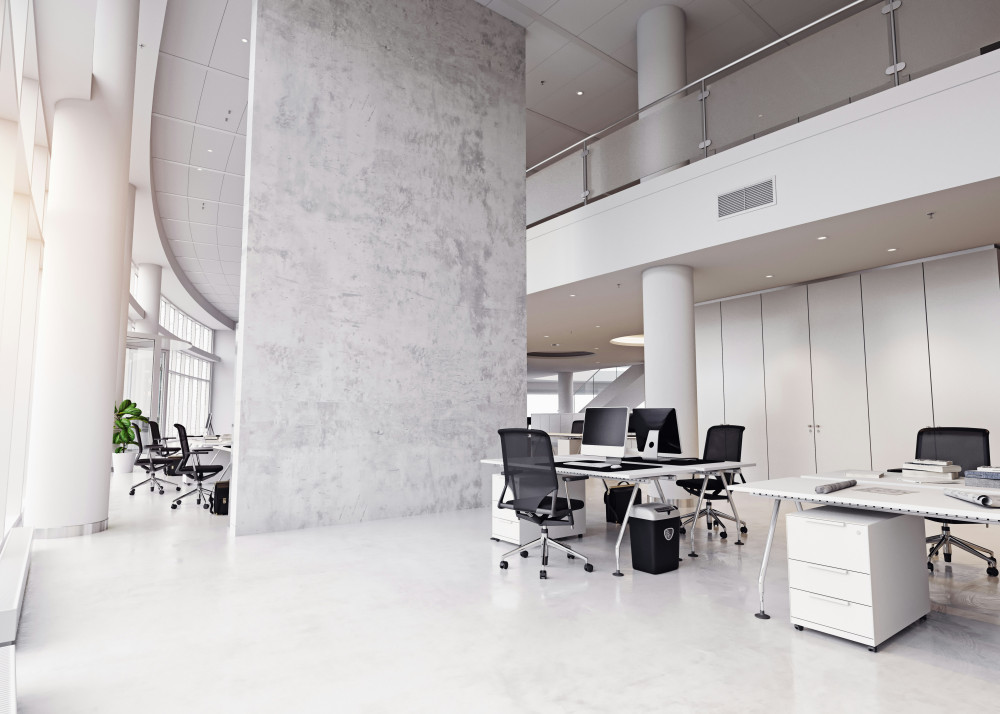
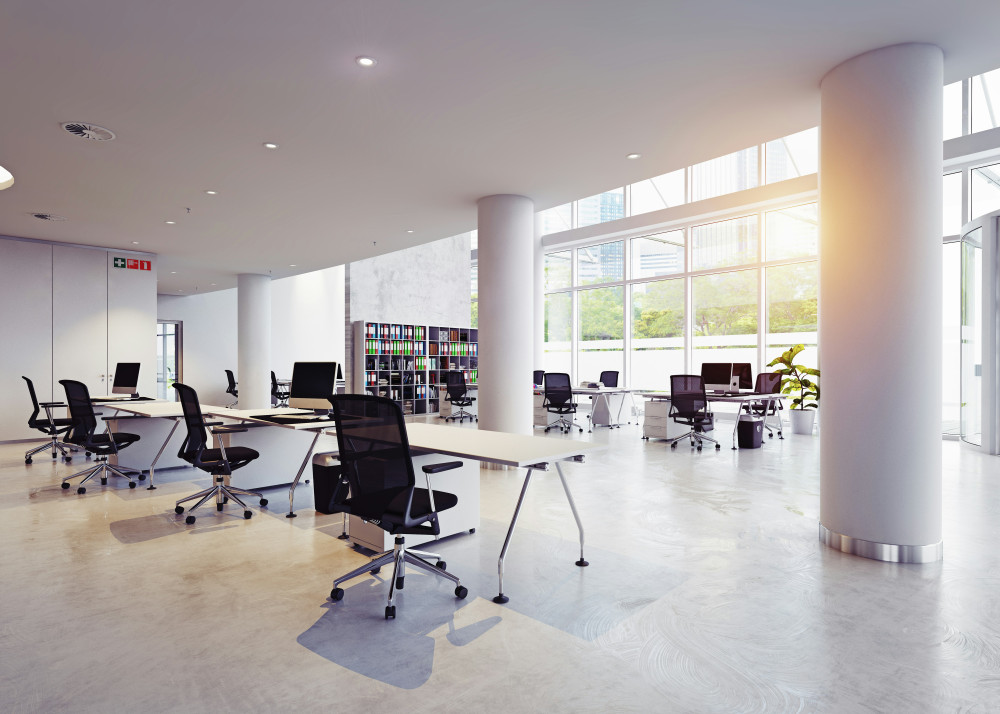
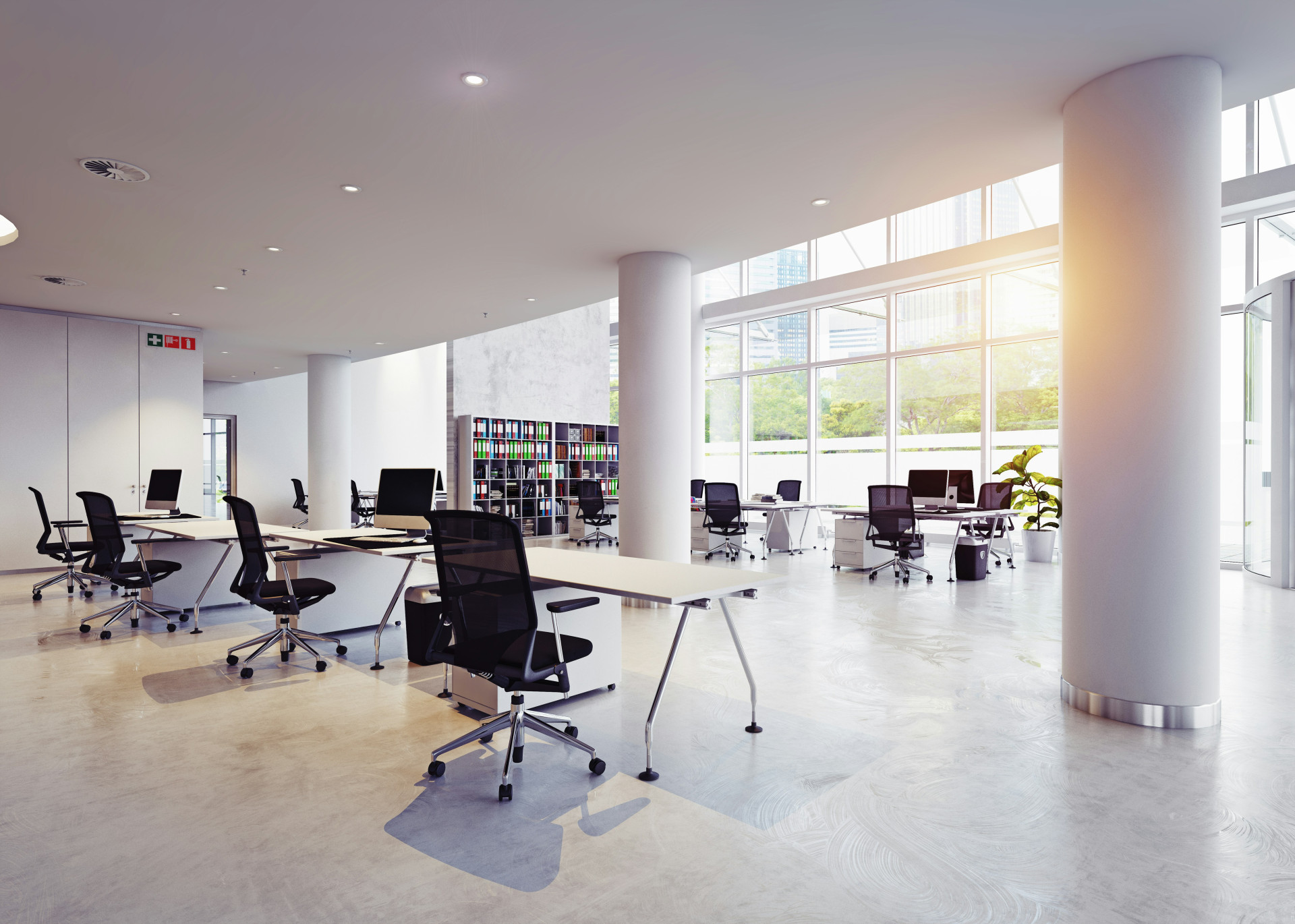
Office buildings are among the most common forms of commercial property. They range from small serviced offices and co-working spaces to large corporate headquarters housing hundreds of employees.
In the UK, modern office design focuses on flexibility, sustainability, and employee wellbeing. Open-plan layouts, shared meeting areas, and access to natural light are in high demand. Co-working environments have become particularly popular in cities like London, Manchester, and Birmingham, offering flexible leases and networking opportunities for start-ups and freelancers.
Location is key. Offices in central business districts offer prestige and proximity to clients and transport links, while suburban or out-of-town offices often provide more space and lower rents.
Retail and Shop Premises – Visibility and Footfall
Retail properties are designed to attract customers and maximise visibility. They include everything from small high street shops to large retail parks and shopping centres.
For retailers, location is crucial. A prime spot with heavy footfall can be expensive but often delivers strong sales potential. In recent years, many UK retailers have adapted to the rise of online shopping by integrating physical stores with digital operations – for example, offering click and collect services or using shops as local distribution hubs.
Retail parks on the edge of towns have also grown in popularity, offering easy parking and larger units for big-box retailers.
Warehouses and Logistics Units – The Backbone of Distribution
Warehouses and logistics properties play a vital role in the UK’s supply chain. They are used for storage, distribution, and handling of goods, and are often located near major motorways, ports, or airports to ensure efficient transport.
The growth of e-commerce has driven strong demand for modern logistics space. Many new facilities feature high ceilings, advanced automation, and energy-efficient systems. Areas such as the Midlands “Golden Triangle” – close to the M1, M6, and M42 – have become key logistics hubs due to their central location and excellent transport links.
Industrial Units – Tailored for Production and Manufacturing
Industrial properties are designed to accommodate manufacturing, assembly, or other production activities. They vary widely in size and specification depending on the type of industry – from food processing to engineering and technology.
Functionality and safety are top priorities. Factors such as ceiling height, floor load capacity, ventilation, and access for heavy vehicles must be carefully considered. Some businesses choose to build bespoke facilities, while others lease existing units and adapt them to their needs.
Læs også:



Mixed-Use and Hybrid Properties – Combining Functions
A growing trend in the UK property market is the development of mixed-use or hybrid properties that combine multiple functions – for example, office and warehouse space, or retail and workshop areas. These properties offer flexibility and can be particularly attractive to small and medium-sized enterprises that want everything under one roof.
Such developments are often found in business parks or light industrial estates, where there is room for parking, deliveries, and easy access to main roads.
Investing in Commercial Property – Stability and Opportunity
For investors, commercial property can offer stable returns and long-term income. Leases are typically longer than in the residential sector, and tenants are often responsible for maintenance and insurance.
However, each property type carries its own risk profile. Prime office space in major cities can deliver high rental yields but may be affected by economic cycles and changing work patterns, such as remote working. Warehouses and logistics units have shown resilience thanks to the growth of online retail, while the retail sector continues to adapt to shifting consumer habits.
Before investing, it’s essential to assess location, tenant quality, and long-term demand trends.
The Future of Commercial Property – Sustainability and Adaptability
The future of commercial property in the UK is being shaped by sustainability and flexibility. Green building certifications such as BREEAM and EPC ratings are becoming increasingly important, as both tenants and investors prioritise energy efficiency and environmental performance.
At the same time, technology and new ways of working are transforming how commercial spaces are used. Flexible leases, shared facilities, and smart building systems are becoming standard features.
Understanding the different types of commercial property helps businesses and investors make informed decisions – whether you’re choosing premises, expanding operations, or exploring new investment opportunities in the UK’s dynamic property market.
Læs også: