Small Goals, Big Progress – Learning in Realistic Steps


Small Goals, Big Progress – Learning in Realistic Steps
When we decide to learn something new – whether it’s a language, a musical instrument, a sport, or a professional skill – we often start with big ambitions. But large goals can quickly feel overwhelming if we don’t break them down into smaller, manageable steps. Learning isn’t just about determination; it’s about structure, patience, and setting realistic targets. Small, steady progress can lead to remarkable results over time.
Why Small Goals Work
When we take on too much at once, motivation tends to fade. Our brains respond positively to small successes. Each time you reach a mini goal, your brain releases dopamine – the chemical that makes you feel satisfied and eager to continue. In other words, small victories are the fuel that keeps long-term learning going.
A goal like “I want to learn Spanish” can feel daunting. But if you reframe it as “I’ll learn ten new words a day” or “I’ll be able to order a meal in Spanish,” it suddenly becomes achievable. Realistic goals make learning tangible and sustainable.
Læs også:



Breaking Goals into Steps
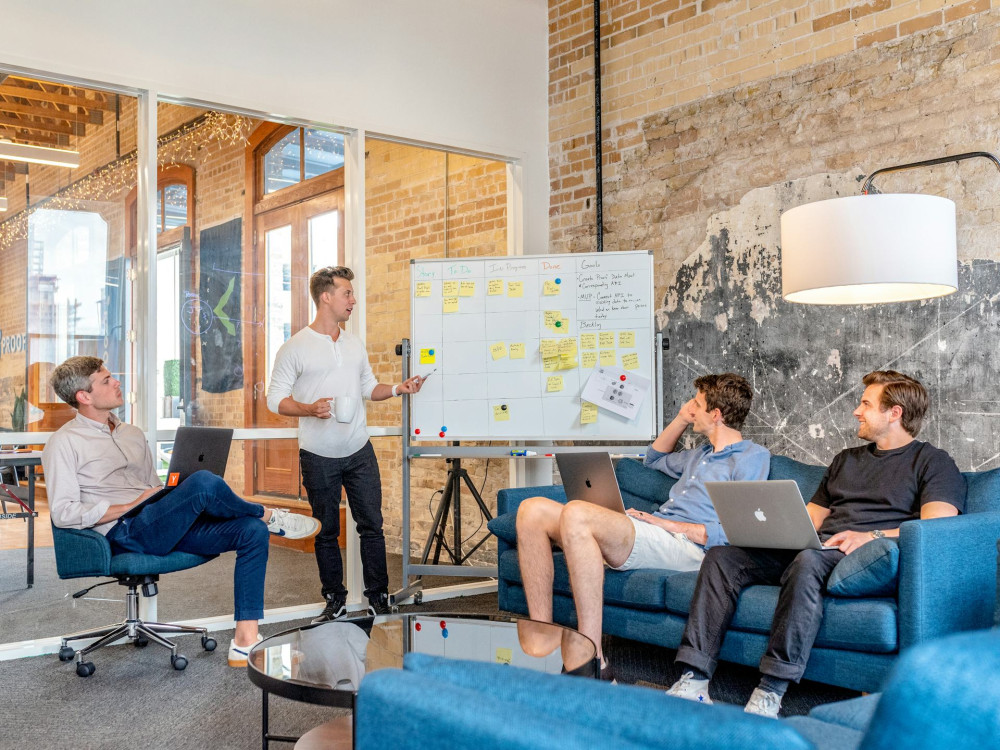
An effective learning journey starts with dividing a big goal into smaller, clear steps. You can do this in several ways:
- Time-based steps: Set aside short, regular periods for learning – for example, 20 minutes a day. Consistency matters more than long, infrequent sessions.
- Content-based steps: Focus on one aspect at a time. If you’re learning to play the piano, practise scales one week and simple melodies the next.
- Measurable milestones: Define specific success criteria you can tick off. This gives you a sense of progress and direction.
By structuring your learning in small, focused steps, you’ll find it easier to stay motivated and see that you’re genuinely moving forward.
Embracing Mistakes as Part of Learning
Many people give up when they encounter difficulties. But mistakes aren’t signs of failure – they’re signs that you’re learning. Research in educational psychology shows that we remember better when we struggle a bit and make errors along the way. Understanding grows through repetition and adjustment.
Try to view mistakes as information: What went wrong, and what can you do differently next time? This mindset makes learning less stressful and more curious.
Building a Routine That Lasts
Small goals only lead to big progress if they become part of your routine. It helps to connect learning with things you already do. Listen to an educational podcast on your commute, practise vocabulary while cooking dinner, or write a few lines in a journal before bed.
When learning becomes a natural part of daily life, it requires less willpower – and that increases the likelihood that you’ll stick with it.
Celebrate the Small Wins
It might sound simple, but recognising your own progress is essential. Each time you reach a milestone, take a moment to celebrate. Treat yourself to a coffee, mark it in your calendar, or just pause to feel proud.
Celebrating small wins helps you see how far you’ve come and gives you the energy to keep going.
Learning as a Lifelong Process
Learning in realistic steps isn’t just about achieving a single goal – it’s about creating a sustainable way to grow. When you get used to thinking in terms of small, continuous improvements, learning becomes a natural part of life rather than a race against time or perfection.
Small goals make learning manageable, but they also make it meaningful. In the end, it’s not about finishing – it’s about moving forward, one step at a time.
Læs også: