Flexible Warehouse Equipment for Multiple Locations – An Investment in Efficiency


Flexible Warehouse Equipment for Multiple Locations – An Investment in Efficiency
As a business grows, the need to manage multiple sites often follows – perhaps a new warehouse, a regional distribution centre, or a satellite facility closer to customers. With this expansion comes the challenge of maintaining efficiency and consistency across locations. Flexible warehouse equipment becomes a key factor in achieving that goal. It’s not just about shelving and pallets, but about creating a system that can adapt to changing demands and support long-term growth.
Why Flexibility Matters
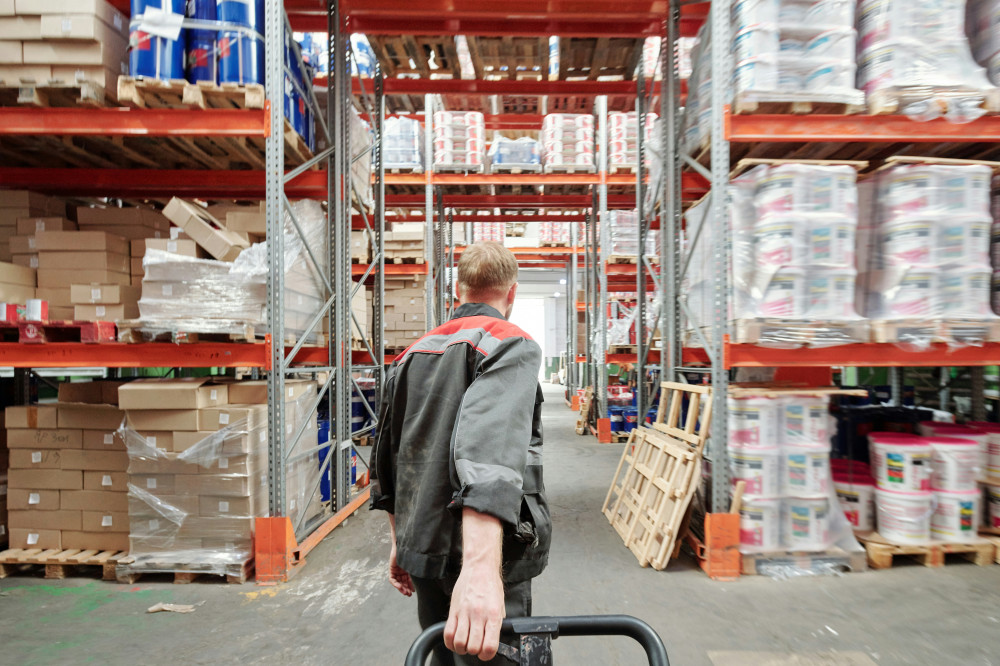
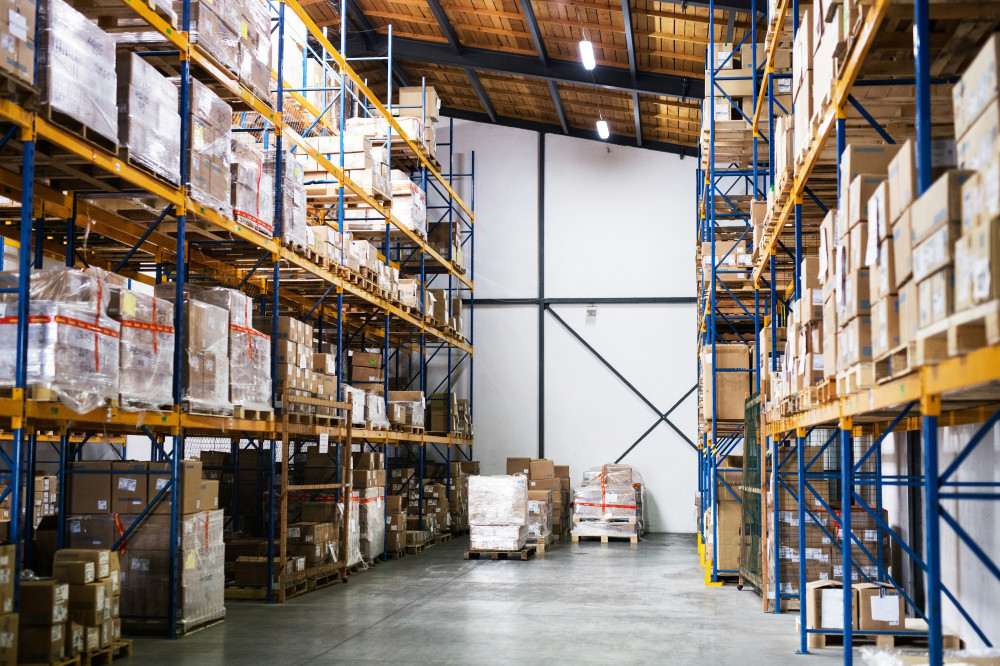
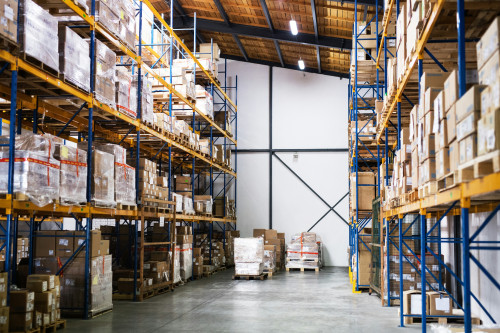
Modern warehouses are rarely static. Product ranges evolve, seasonal peaks affect capacity, and new technologies reshape workflows. Flexible warehouse equipment – such as modular racking systems, mobile pallet racks, and adjustable workstations – allows businesses to adapt quickly without major investment or downtime.
When equipment can be moved, expanded, or reconfigured, space can be used more efficiently. This agility enables faster responses to changes in demand while avoiding unnecessary costs associated with redesigning or relocating facilities.
Consistency Across Multiple Sites
For companies operating several warehouses, standardisation is a cornerstone of efficiency. When equipment and layouts are consistent, staff can move between sites without having to learn new systems. This reduces errors, improves safety, and shortens training time.
A flexible setup also means that spare parts, tools, and accessories can be shared across locations. This simplifies procurement and maintenance, leading to smoother operations and lower overheads.
Mobility and Scalability
One of the greatest advantages of flexible warehouse equipment is mobility. Mobile shelving, rolling trolleys, and portable packing stations make it easy to adjust layouts as needed – for example, during seasonal surges or temporary projects.
Scalability is another major benefit. When a new site opens, existing equipment can be relocated or supplemented with identical modules. This ensures a faster start-up and consistent working methods across all warehouses, regardless of size or location.
Læs også:

Technology Supporting Flexibility
Digitalisation plays an increasingly important role in warehouse management. By combining flexible equipment with warehouse management systems (WMS) and data collection tools, businesses can create a dynamic workflow where physical and digital processes reinforce each other.
For instance, mobile workstations equipped with scanners or sensors allow staff to register goods directly on the warehouse floor. This reduces unnecessary movement, improves accuracy, and supports real-time inventory tracking.
A Smart Investment
Although flexible warehouse equipment may require a slightly higher initial investment, experience shows that it quickly pays off. Improved efficiency, reduced downtime, and better space utilisation deliver measurable financial and environmental benefits.
Flexibility also provides a form of future-proofing. As the business grows or changes direction, equipment can be adapted rather than replaced. This makes the investment more sustainable and cost-effective in the long run.
Getting Started
If you’re considering making your warehouse setup more flexible, start by:
- Mapping your needs – identify bottlenecks and underused areas.
- Assessing current equipment – can existing systems be upgraded or expanded?
- Thinking modularly – choose solutions that can be moved or extended.
- Involving your team – employees know the daily routines and can suggest practical improvements.
- Planning across sites – ensure consistent standards and processes.
A flexible warehouse is not just about equipment – it’s about strategy. It’s about building a structure that grows with your business and makes everyday operations smoother for both staff and management.
Læs også: