Overview in the Warehouse: Effective Management of Operations, Resources and Processes


Overview in the Warehouse: Effective Management of Operations, Resources and Processes
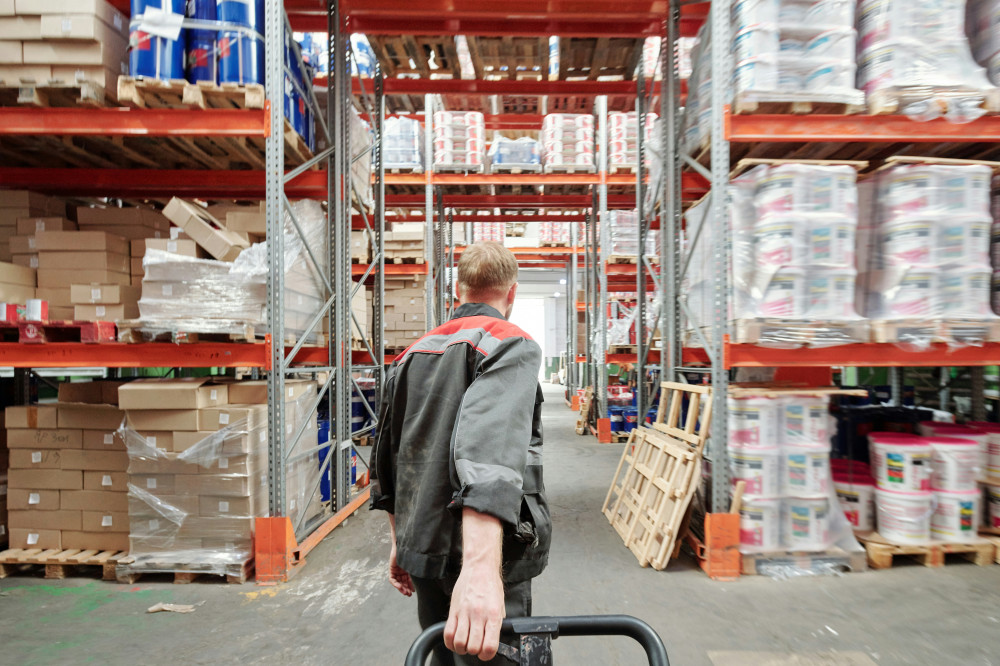
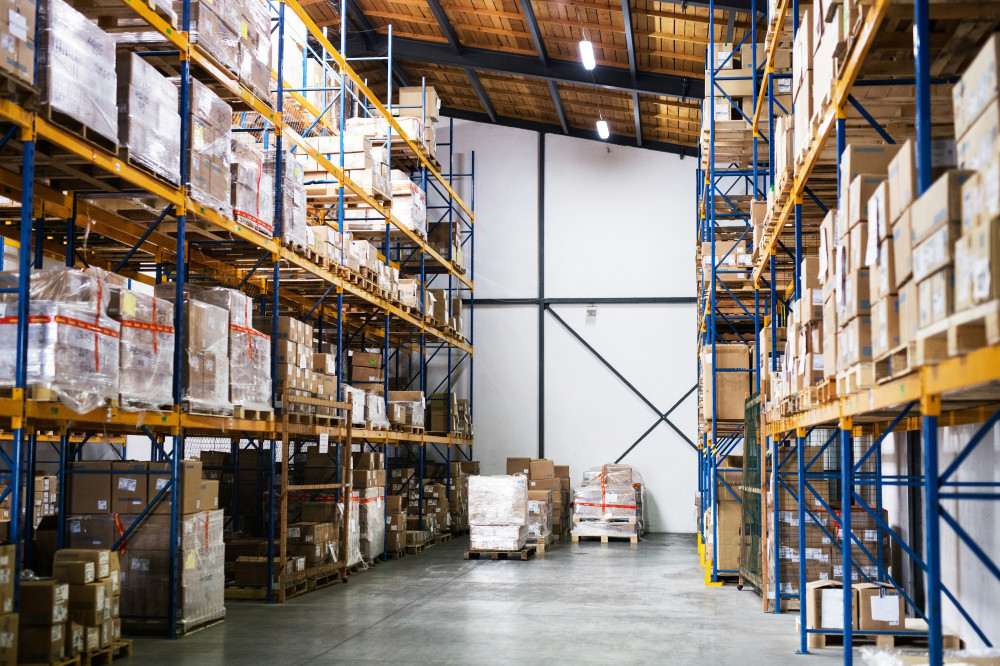
A well-run warehouse is the backbone of any business that handles goods. Whether it’s a small e-commerce company or a large manufacturing operation, efficiency depends on how the warehouse is managed and how resources are utilised. Having a clear overview of operations, processes and staff can make the difference between a warehouse that merely functions – and one that truly adds value.
Here’s an overview of how to optimise warehouse management and create more efficient, sustainable operations.
Build Structure and Transparency in Operations
An efficient warehouse begins with structure. It’s about knowing where goods are located, how they move through the system, and which processes support daily work.
- Map the warehouse flow – from goods-in to dispatch. This helps identify bottlenecks and areas where time can be saved.
- Use digital tools – a modern Warehouse Management System (WMS) can automate stock updates, picking and tracking.
- Standardise procedures – consistent routines for receiving, storing and shipping goods reduce errors and ensure quality.
When staff understand the processes and data is available in real time, it becomes easier to make informed decisions and respond quickly to changes in demand.
Resource Management: Balancing People and Technology
A warehouse is more than shelves and stock – it’s also the people who keep everything running. Effective resource management means making the best use of both human skills and technological tools.
- Plan staffing according to demand – use data to forecast busy periods and adjust shifts accordingly.
- Invest in training – well-trained employees work faster, make fewer mistakes and contribute to a safer, more positive workplace.
- Maintain equipment – forklifts, scanners and conveyors must operate reliably to avoid costly downtime.
Finding the right balance between automation and human input creates flexibility and resilience – especially during unexpected challenges such as supply chain disruptions or seasonal peaks.
Streamlining Processes Through Continuous Improvement
Warehouse management is not static. Markets evolve, technology advances, and customer expectations rise. That’s why warehouse processes should be regularly reviewed and refined.
- Measure key performance indicators (KPIs) such as pick time, error rate and delivery accuracy. These metrics provide a solid foundation for improvement.
- Engage employees – they often spot inefficiencies first. Small adjustments to workflows can lead to significant gains.
- Apply lean principles – eliminate waste, reduce unnecessary movement and create smooth process flow.
By working systematically with continuous improvement, the warehouse can evolve from being a cost centre to becoming a strategic advantage.
Data as a Decision-Making Tool
In modern warehouse operations, data is one of the most valuable resources. By collecting and analysing information on inventory levels, order flow and delivery speed, managers can make more precise decisions.
A data-driven overview enables you to:
- forecast demand and plan purchasing,
- identify slow-moving items,
- optimise picking routes and reduce travel time.
When data is used actively, the warehouse becomes more than a storage space – it becomes a hub of insight and efficiency.
Sustainability and Workplace Wellbeing as Competitive Advantages
More UK businesses are now integrating sustainability into their warehouse operations. This includes both environmental and social responsibility.
- Reduce energy consumption with LED lighting, energy-efficient machinery and smart climate control.
- Minimise waste by optimising packaging and reusing materials.
- Ensure a safe and ergonomic working environment – this improves wellbeing and reduces absenteeism.
A sustainable warehouse benefits not only the environment but also profitability and brand reputation.
Læs også:


From Overview to Action
Ultimately, effective warehouse management is about creating an overview – and using it proactively. When operations, resources and processes are well managed, you can respond faster, deliver better and create more value for both customers and employees.
A balanced warehouse is not an end in itself, but a foundation for growth, stability and long-term success.
Læs også: